
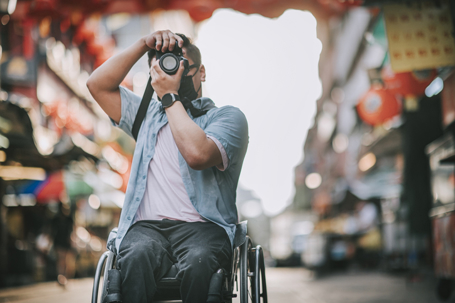
Summer is a popular time to travel, whether you are visiting family, taking a road trip, or flying somewhere new. If you live with a disability, travel can come with extra questions about your rights and what to expect. Knowing these rights ahead of time can help you enjoy your trip with less stress.
If a problem comes up during your travels or you are unsure how it may affect your Social Security disability benefits, do not wait to get answers. Reach out through our online contact form or call (610) 595-4917 right away.
Your Rights Under The Americans With Disabilities Act
The Americans with Disabilities Act, often called the ADA, is a federal law. It protects people with disabilities from being treated unfairly in public places.
This law covers many of the places you may visit this summer, including hotels, restaurants, airports, and parks. It requires these places to provide reasonable accommodations, which means simple changes that help you access the same services as everyone else.
What Airlines Are Required To Do
Flying can feel stressful when you have a disability, but federal law offers real protections. The Air Carrier Access Act requires airlines to assist passengers with disabilities at no extra charge.
Here are some of the services airlines must provide under this law:
- Help moving through the airport and boarding the plane
- Storage space for wheelchairs and other mobility devices
- Accessible seating arrangements when requested in advance
- Assistance transferring to and from your seat if needed
- Allowing trained service animals to travel in the cabin
These protections exist so that flying is not an obstacle to your travel plans. If an airline fails to provide these services, you have the right to file a complaint.
Accessible Lodging And Hotels
Hotels are required to follow ADA guidelines for accessibility. This includes things like wheelchair-accessible rooms, grab bars in bathrooms, and accessible parking spaces.
It is still a good idea to call ahead and confirm what a hotel offers. Booking websites do not always show every detail about a room's accessibility features.
Accessible Transportation While You Travel
Getting around once you arrive at your destination matters just as much as getting there. Public buses, trains, and many rideshare services are required to offer accommodations for riders with disabilities.
Rental car companies must also provide hand controls or other adaptive equipment when requested ahead of time. Planning these details early can help your trip go smoothly.
Service Animals And Travel
Service animals play an important role for many travelers with disabilities. Under the ADA, service animals are allowed in most public places, including restaurants, stores, and hotels.
Airlines also allow trained service animals to fly in the cabin with their handler. Staff may ask if the animal is required because of a disability and what task it is trained to perform, but they cannot ask for documentation or proof of training.
How Travel Can Affect Your Social Security Disability Benefits
Many people worry that traveling will affect their Social Security disability benefits. In most cases, simply taking a trip does not change your eligibility.
However, there are situations where travel can raise questions for the Social Security Administration, often called the SSA. Here is what is helpful to keep in mind:
- Traveling does not mean you are no longer disabled
- Working while traveling could affect your benefits if your income goes above certain limits
- Leaving the country for too long may affect Supplemental Security Income, also called SSI
- Keeping records of medical care received during travel can help if questions come up later
Staying informed about these rules can help you avoid surprises. If you have specific concerns about how an upcoming trip may affect your case, it is worth asking a Norristown Social Security disability attorney before you go.
What To Do If Your Rights Are Not Respected
Sometimes, despite the law, accommodations are not provided the way they should be. This can happen at an airport, hotel, or rental car counter.
If this happens to you, try to document what occurred. Write down the date, location, and names of anyone involved, since this information can support a complaint later.
You can file a complaint with the Department of Transportation for airline issues or the Department of Justice for ADA violations in other public places. These agencies investigate complaints and can take action against businesses that do not follow the law.
Tips For Planning An Accessible Summer Trip
A little planning ahead of time can prevent many problems during your trip. Taking a few extra steps before you leave can make a real difference once you arrive.
Consider these steps as you prepare for summer travel:
- Call airlines, hotels, and rental car companies in advance to confirm accommodations
- Carry a list of your medications and medical needs in case of an emergency
- Bring copies of any necessary medical documents
- Research accessible attractions and transportation at your destination
- Allow extra time at airports for boarding assistance
Taking these steps can help your trip feel less stressful from start to finish. A well-planned trip allows you to focus on enjoying your summer instead of worrying about logistics.
Norristown Social Security Disability Attorney: How Rubin & Badame, Attorneys at Law, P.C. Can Help
Understanding your rights while traveling is one part of managing life with a disability. Understanding how those rights connect to your Social Security disability benefits is just as important.
Rubin & Badame, Attorneys at Law, P.C. works with people throughout the Norristown, PA area who have questions about their Social Security disability benefits. Whether you are applying for benefits, appealing a decision, or simply have a question about how travel may affect your case, our team is ready to listen.
You do not have to figure out these rules on your own. Reach out through our online contact form or call (610) 595-4917 to talk with someone who can help answer your questions.